Autonomy under siege
Kurdish leaders face increasing polarisation at home as they attempt to hold back an emboldened Damascus
As Damascus advanced and retook control of Arab-majority territories, the Kurdish-led administration retreated to its core heartlands in Rojava. Defiance, disillusionment and a narrowing vision of self-rule are the forces now shaping the administration's de facto capital of Qamishli.
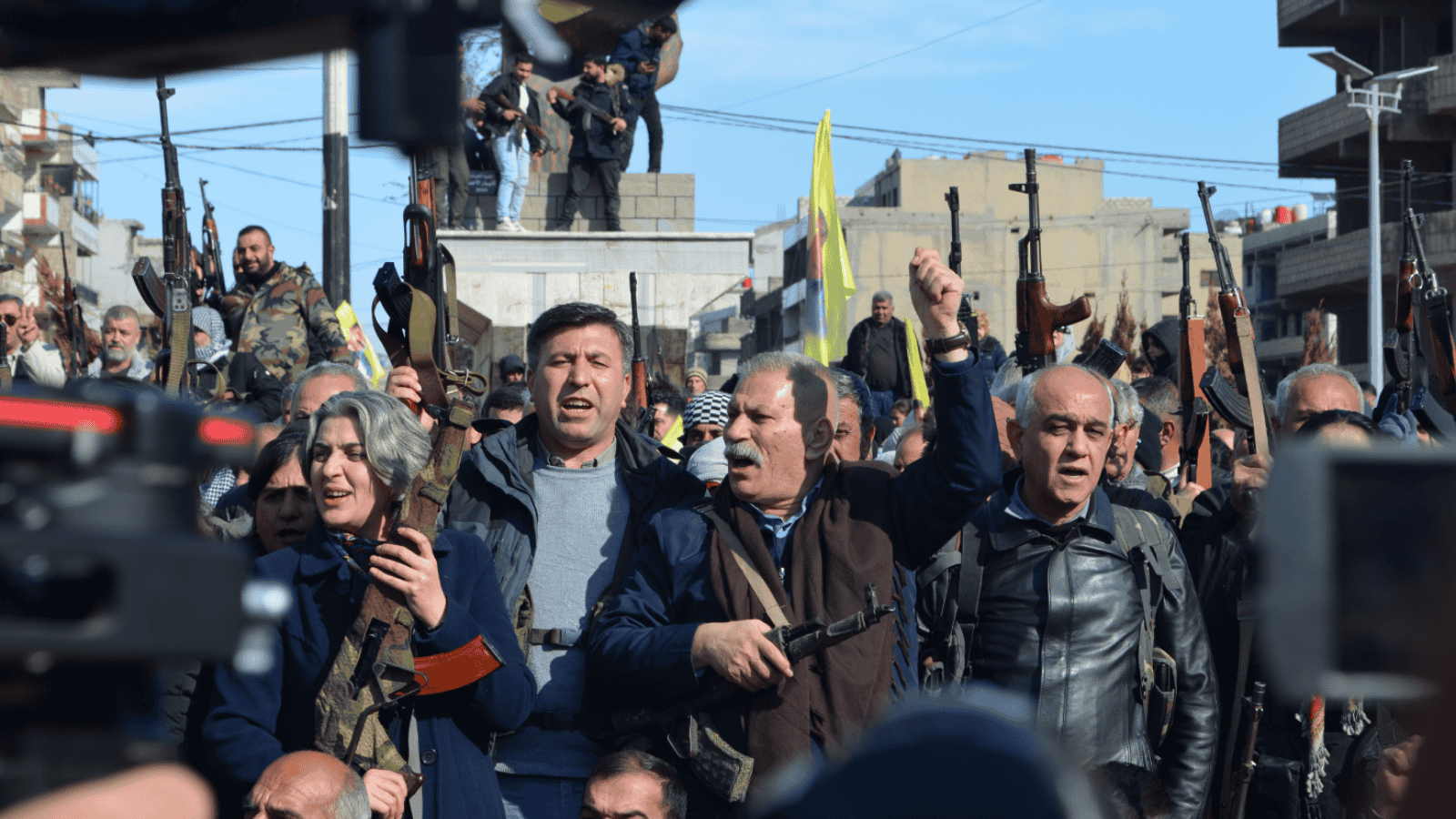
The rapid changes that swept north and east Syria in January were experienced very differently at different political levels. Ordinary Kurds underwent a disorientating return to the early days of Kurdish-led autonomy. A surge of nationalist fervour gripped Qamishli as weapons flooded the streets and young Kurds mobilised to defend their traditional territories. Committed activists and frontline combatants optimistically interpreted the 30 January integration deal as preserving the bulk of their hard-won economic, military and political gains – even if under a different flag. Meanwhile, both Kurdish and Syrian government leaders promised their bases variously-favourable iterations of a more comprehensive national integration deal. These divergent interpretations will not easily be reconciled.
Return to Rojava
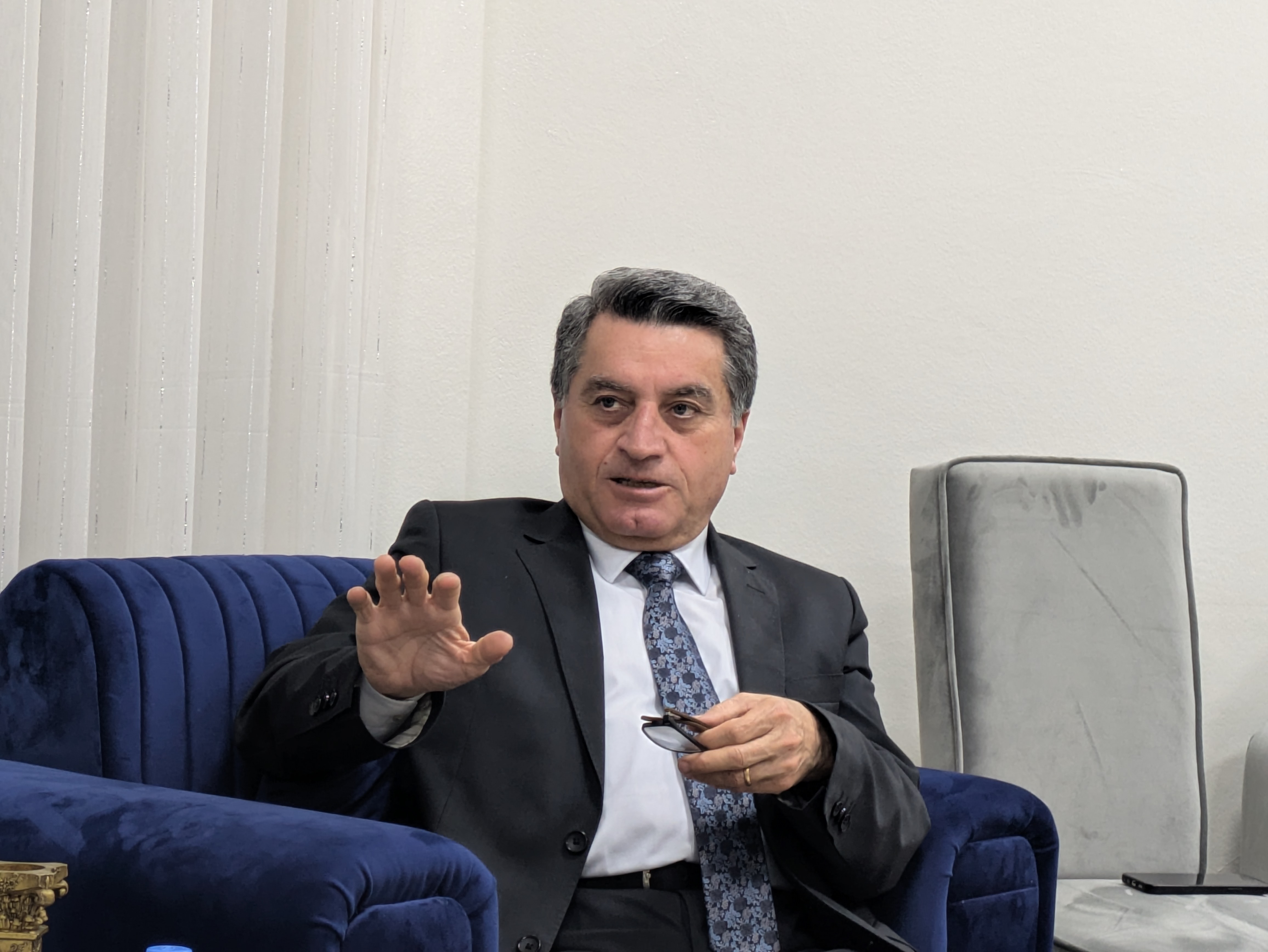
January's rapid advance brought Syrian government and allied tribal forces to within five kilometres of the crucial arterial road between Qamishli and the Semalka border crossing. The loss of the Arab interior has forced a return – both physically and politically – to 'Rojava', or Syrian Kurdistan. Speaking to Syria in Transition in Qamishli as he waited for the terms of the 30 January agreement to be clarified, senior Democratic Autonomous Administration of North and East Syria (DAANES) politician Abdulkarim Omar put it clearly: “North and East Syria doesn't exist any more... The Arab regions are gone, and we're back to the Kurdish regions… The people of these regions have to administer their own affairs, and defend themselves.”
© syriaintransition.com
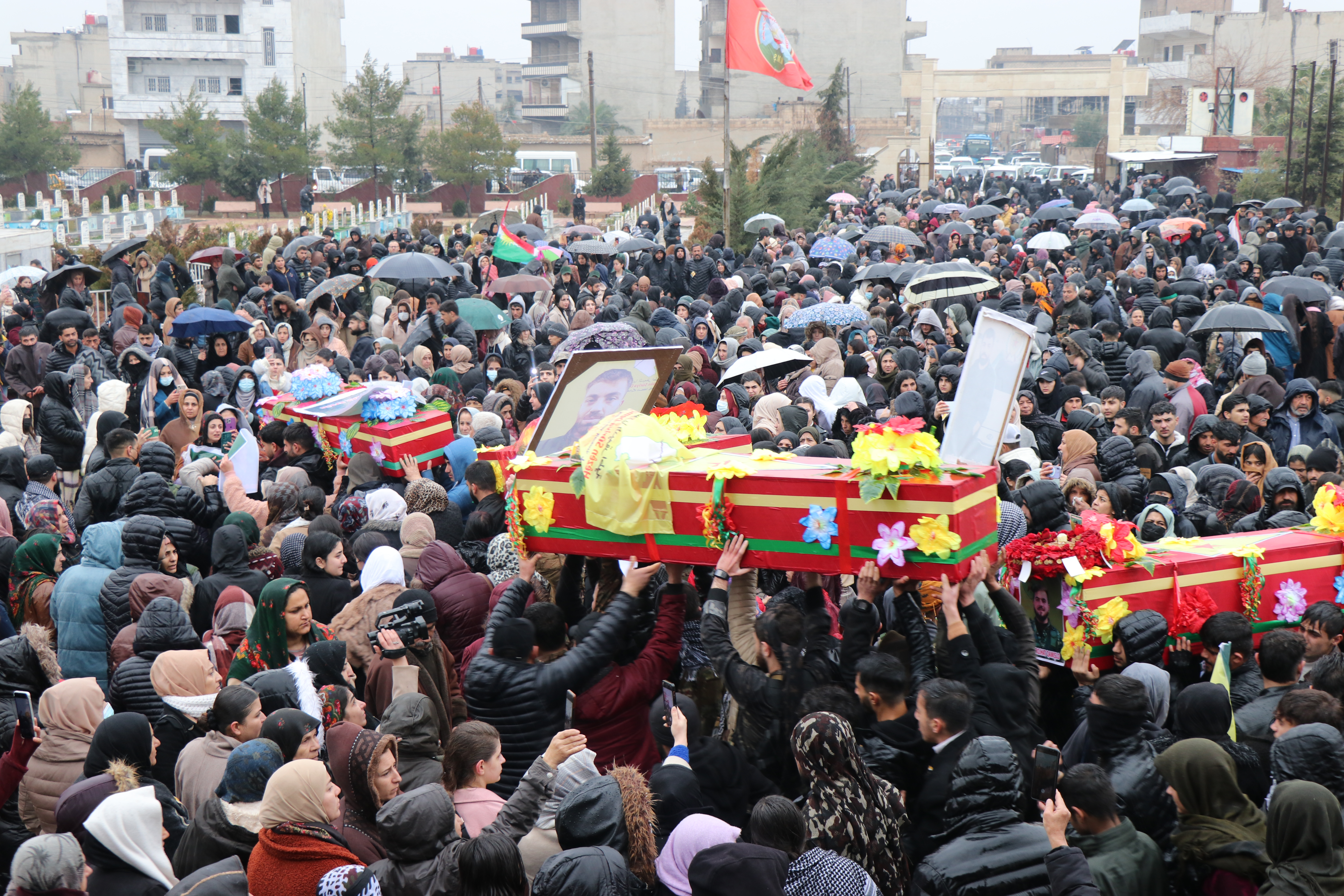
Protest chants and speeches at martyrs' funerals repeated the same basic, widely-felt point, with declarations that “Qamishli is not Deir Hafer” – a reference to a formerly SDF-held Arab town that fell amid mass defections to the government side. The implication was clear: the chaotic retreat must end at what Women's Protection Units (YPJ) spokesperson Ruksen Mohammed described to this publication as the “red line” of Rojava proper.
How the DAANES will ultimately reconstitute itself remains uncertain. Some of the broader governing and civil-society structures that operated from the Iraqi border to the Euphrates were thrown into disarray by the withdrawal. Some offices, archives, and computers were abandoned or burned, while Kurdistan Workers' Party (PKK) cadres with technical and administrative responsibilities are among those leaving Syria. The possible transfer of Semalka to government control, re-routing of humanitarian operations through Damascus and full exodus of the US military would only aggravate the chaos.
In these straitened circumstances many Arab DAANES employees spent January at home, waiting cautiously for clarity. “Maybe the DAANES will not remain as an administration for all of North and East Syria,” Omar acknowledged. “But we will continue our efforts until those who administer the Kurdish regions are Kurds.”
© syriaintransition.com
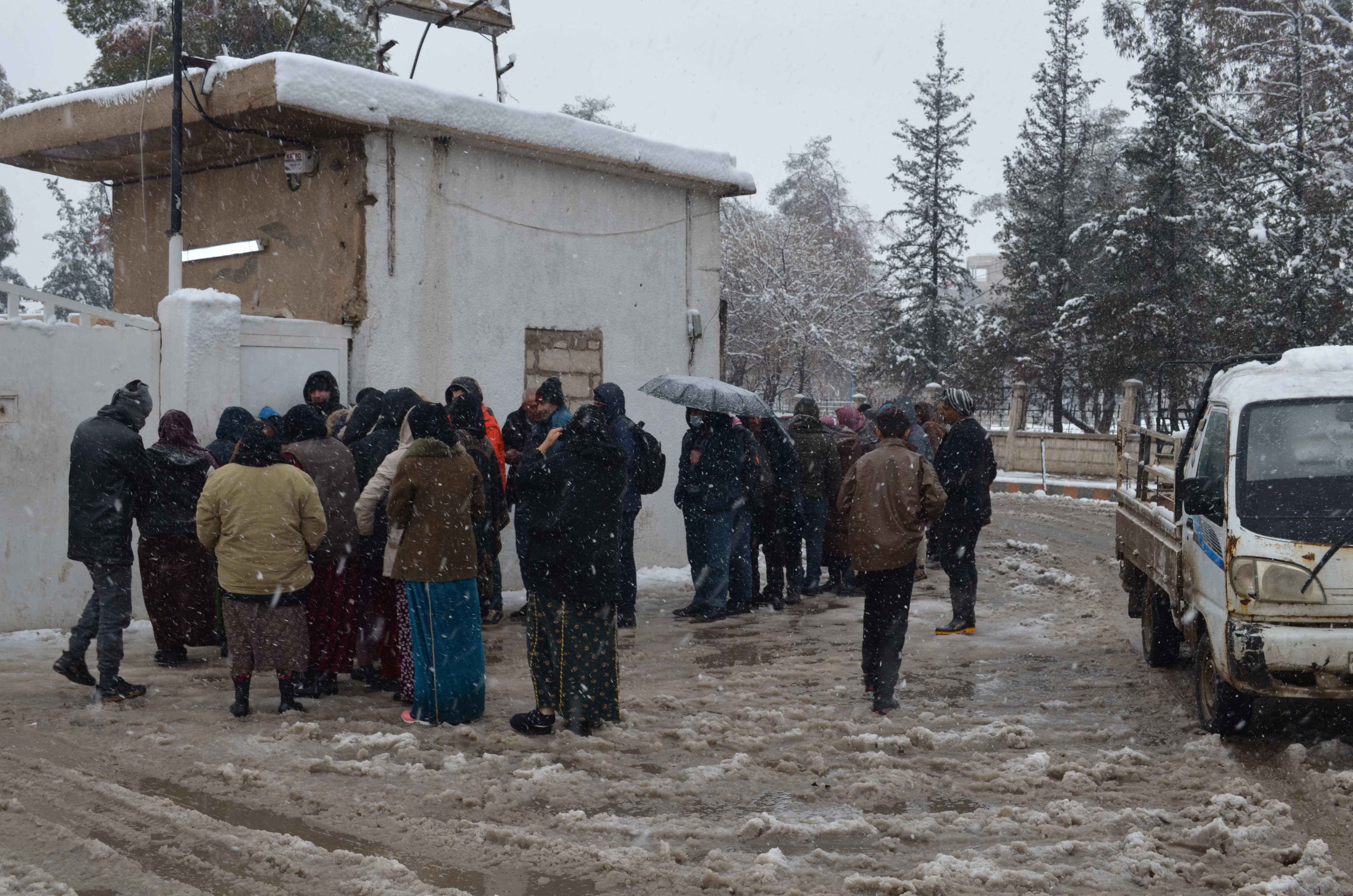
The immediate consequence of recent events was a return to political conditions similar to those of an earlier 'Rojava' project. Local communes resumed coordinating humanitarian relief for Kurdish IDPs moving into Qamishli and the border strip in fear of revenge killings by government forces. The DAANES' vision of municipal governance was forged in crisis and was always best suited to conditions of war and popular mobilisation, with long-established local networks of 'patriotic' Kurds handling security and administrative tasks at neighbourhood level. Local commune members nostalgically recalled 2012-2015 clashes with the progenitors of today’s Syrian government. As they organised the distribution of donated blankets, they debated whether local Arabs should be disarmed.
The contraction of DAANES-controlled territory was coupled with a dramatic, well-attested surge in Kurdish-nationalist sentiment. Deep tensions between the Kurdish-led administration and Arab communities, long evident in Deir Ezzor and Raqqa, are now more apparent than ever. Pro-DAANES activists are careful to continue highlighting the role of Arab SDF members still present in small numbers at the border, checkpoints and frontlines. Syria in Transition spoke with Arab SDF veterans recuperating and well-looked after in their Qamishli hospital beds, and a DAANES-aligned Arab sheikh of the Jabour who showed videos on his phone of crude death threats sent by other wings of his tribe. But these exceptions only proved the rule. The broader mood has shifted. Kurdish fighters repeatedly emphasised they were now fighting for the Kurdish YPG/J, not the US-sponsored, multi-ethnic SDF.
© syriaintransition.com
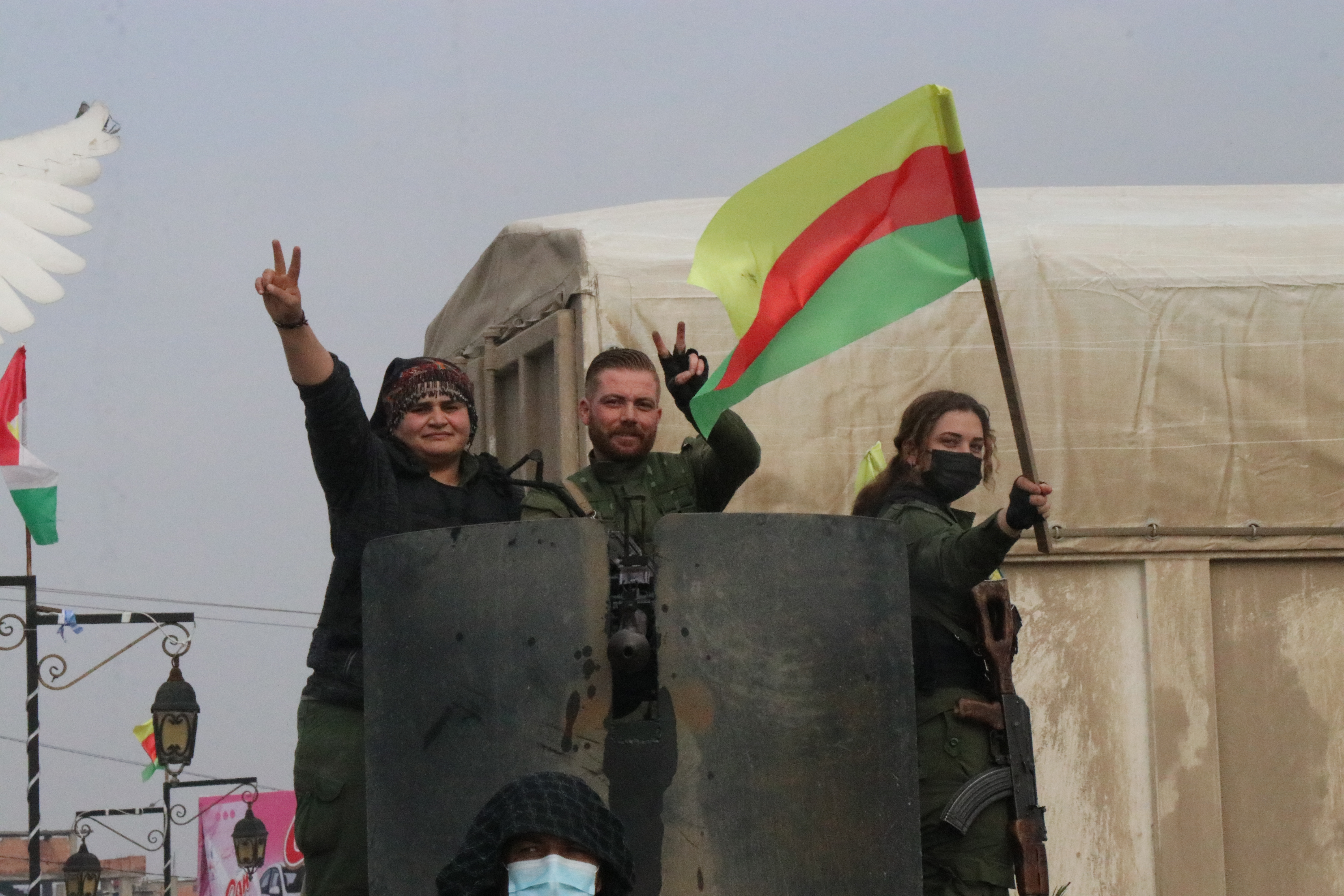
Northern Syria is increasingly polarised between two competing nationalisms: a religiously conservative Sunni Arab current and a reactive and anti-Islamist Kurdish nationalism. Both use the US-inflected language of counter-terrorism. The Syrian government disparages the SDF as cowardly terrorists skulking in tunnels, while many Kurds view Damascus as ruled by illegitimate Islamist thugs. YPG rank-and-file on the Hasaka frontlines openly mock the DAANES vision of a “brotherhood of peoples” between the region's ethnic groups as what one fighter called a “brotherhood with al-Qaeda”.
Behind the front, thousands of weapons have been distributed through local communes and the PKK's militant Revolutionary Youth organisation. Young Kurdish men spend sleepless nights patrolling Arab neighbourhoods in pursuit of what they call “ISIS sleeper cells”, making arrests on sometimes scant evidence amid very real tensions. Damascus relies on tribal armed groups to pressure the evolving ceasefire deal in plausibly-deniable coordination with Turkish intelligence. Armed Kurdish youth will test the ceasefire's durability at street level.
Contrary to the familiar narrative that hardline PKK cadres are the primary obstacle to integration, it's ordinary Syrian Kurds who express the deepest scepticism about peace with their Arab neighbours, even as their political commissars enjoin them to trust the integration process. Likewise, it's precisely anti-PKK, pro-Barzani Kurds who are the loudest voices belittling “brotherhood” with Damascus – despite the Barzani-backed Syrian Kurdish National Council (ENKS) having itself sat with al-Sharaa in hopes of regaining political relevance as the ceasefire agreement takes shape.
Business as usual?
However deep their dissatisfaction, neither YPG units nor the Revolutionary Youth would directly fire on government forces against orders. A likelier trigger for the resumption of hostilities would be Kurdish security patrols clashing with semi-organised Arab tribal forces, with each accusing the other of firing the first shot. Tensions peaked in early February, when small contingents of government personnel entered city-center administrative districts in Qamishli and Hasaka. The SDF imposed a tough curfew intended to dissuade either pro-government forces or the Kurdish youth from sparking any confrontation. The entry of these forces into the “security squares” previously held by the Assad regime was felt as a humiliation by many pro-DAANES Kurds. Yet the moment passed without major incident, perhaps turning the corner toward a gradual reduction of tensions.
The initially limited scope of the deployment lent some credence to optimistic claims by DAANES representatives that the return of formal government control would not mean the substantive loss of political or military autonomy. For now, Qamishli's municipality is administering city-wide functions much as before. But Kurdish leaders have often promoted maximalist interpretations of ceasefire deals as both negotiating posture and propaganda tactic. “There will be no change. Even if there is integration, our [all-female] battalions will remain in our regions,” YPJ spokesperson Mohammed said, even though the YPJ's continued existence isn't referenced in any published integration deal. Such assurances trickle down to the grassroots. Young Kurdish fighters could be heard assuring one another that the new arrangement might ultimately resemble the broad autonomy enjoyed by Iraq's Kurdistan Regional Government (KRG).
© syriaintransition.com
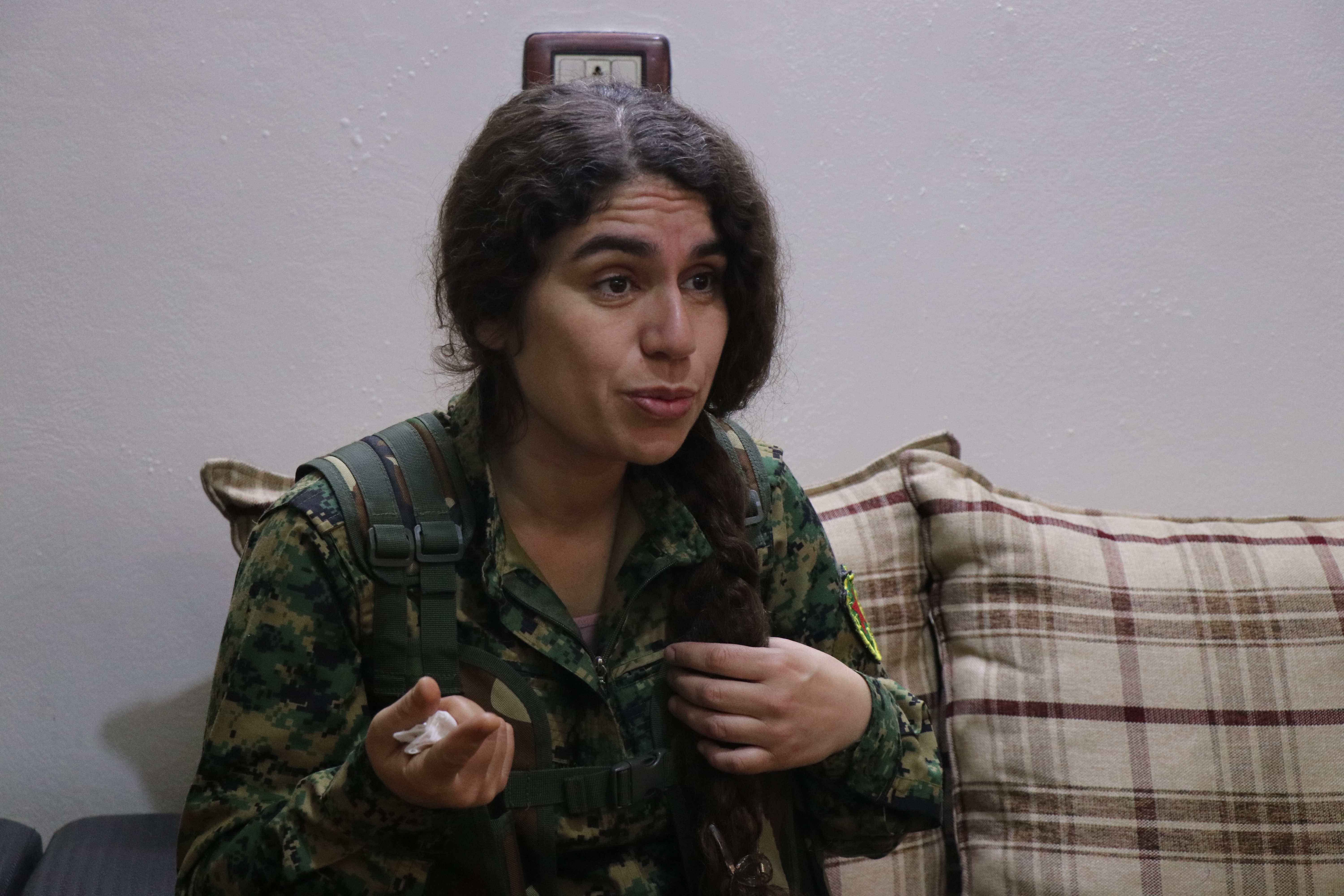
The new reality under negotiation is, however, less favourable to Kurdish aspirations than many hope. The PKK network in Syria extends well beyond individual cadres and will likely retain broad support and organisational connections throughout Kurdish society even as non-Syrian personnel are withdrawn. The system it built, however, now faces structural constraints. Guarantor battalions that are expected to deter further aggression from Damascus may soon find themselves paid by the very government they are meant to balance. Women's organisations are dependent on the same contested oil revenues, their future newly subject to negotiation. Kurdish media outlets and DAANES-linked aid and civil society NGOs are expected to register formally in Damascus, where they will be closely scrutinised. In short, a PKK-constructed ecosystem of governance and activism must find ways to reconcile itself to Damascus' creeping hegemony.
Superficially, the new arrangement resembles the prior uneasy co-habitation between Assad and the SDF, which enabled the latter to retain effective autonomy for years. But the balance of power has shifted in Damascus‘ favour.
A polarised, militarised future
The DAANES has navigated similar arrangements before. Various formal changes of insignia and personnel allowed the SDF to retain military control in Manbij in 2018, across much of north and east Syria in 2019 and in Sheikh Maqsud following the Kurdish neighbourhood's 2025 handover to the SDF-linked Asayish security forces. But those precedents also suggest that superficial transitions rarely endure. Locals in Qamishli thus fret about a repeated “Sheikh Maqsud” scenario: a phased encroachment in which Damascus justifies further advances along impossible-to-defend roads denuded of heavy weapons and dotted with Arab villages, easily argued to fall outside the 30 January agreement's ill-defined “Kurdish areas”. A settlement that envisions Kurdish governance in Kurdish regions and Arab-dominated governance elsewhere makes little sense on the hyper-local level of Hasaka governorate’s fragmented geography, where historic circumstance and the Ba'athist-era “Arab belt” policy means there is no truly contiguous “Kurdish” territory.
© syriaintransition.com
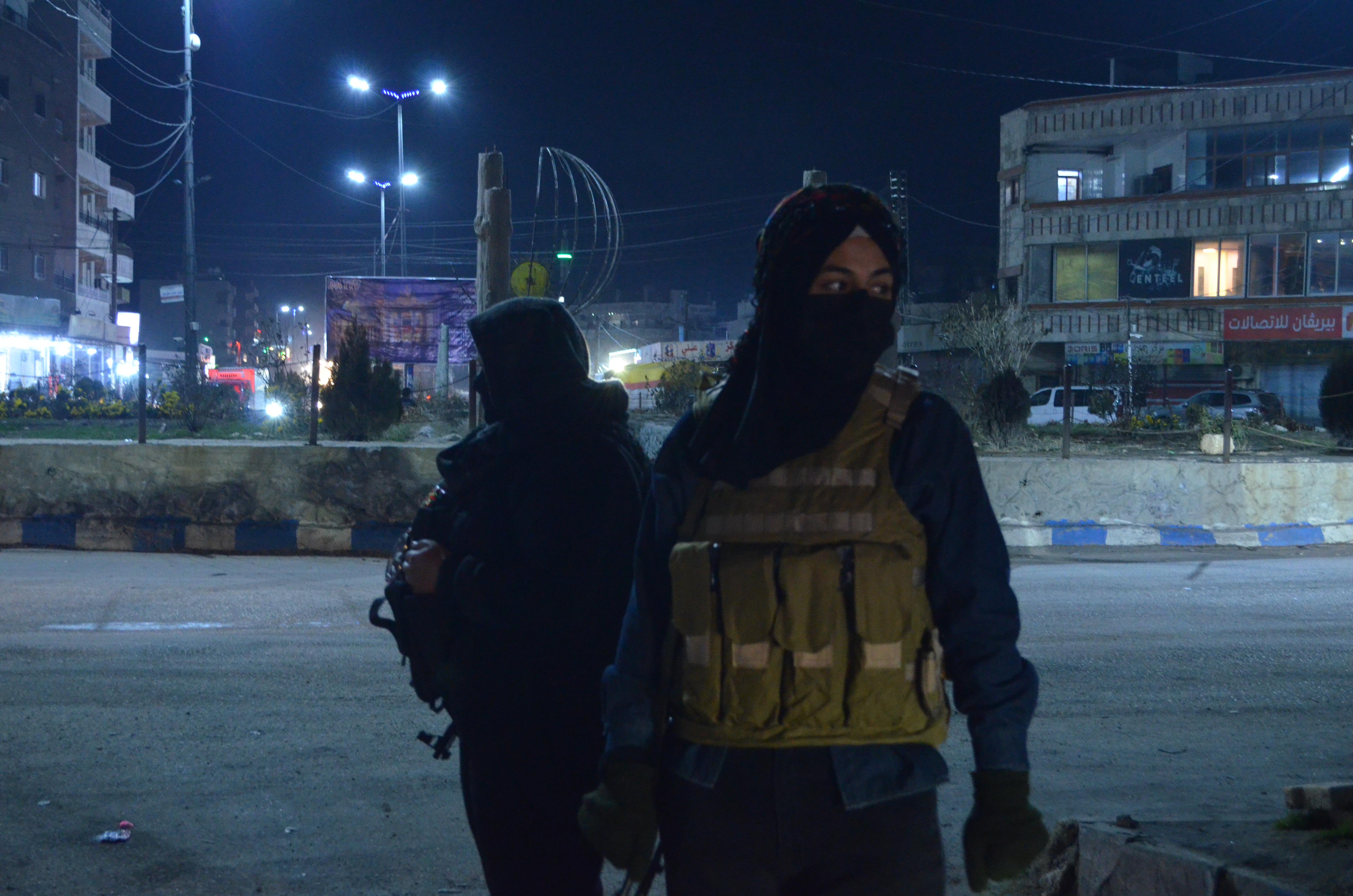
The DAANES' re-interpretation of Abdullah Öcalan's envisaged “brotherhood of peoples” was originally built around that demographic reality. The SDF formed pragmatic alliances with local Arab power-brokers and minority communities, achieving a significant degree of inter-communal cooperation. But as the SDF extended into the conservative Arab hinterland at Washington’s behest, that vision was pushed past breaking-point. What was possible in 2012-2015 is no longer realistic today, with the SDF's regional collapse working to deepen pre-existing tensions.
Those tensions are rooted in the securitisation of north and east Syria along war-on-terror lines, especially the DAANES' exclusion from UN-sponsored political negotiations and the SDF's status as long-term gaoler for thousands of primarily-Arab ISIS affiliates alongside other Arab detainees. “A state like Syria can't be controlled through military means,” Kurdish representative Omar warned. Yet Raqqa's January 2026 return to government control was ultimately achieved through battlefield advances, not negotiation. That Damascus used violence to force the issue has further deepened mistrust between Arabs and Kurds.
The resulting suspicion means that any continued Kurdish autonomy can only be guaranteed through the presence of permanent armed patrols hunting for “sleeper cells” or brooding in semi-isolated bases. Though sought by both Kurds and Arabs, continued formal or informal population transfers will only harden the divide, making it difficult to envisage a future beyond multiple nested layers of perceived occupation, of both Kurds by Arabs and Arabs by Kurds. Future violations and mutual recrimination will easily fester into fresh casus belli.
© syriaintransition.com
Northern Syria's future will be defined not by the “brotherhood of peoples”, but a harsher reality of “Kurds-for-Kurds” and “Arabs-for-Arabs.” Tensions on Qamishli's streets have simmered down for now, but, as one young combatant joked, this fragile peace may last only long enough for the Kurdish youth to find fresh supplies of tyres to burn.